Chief News
The Business of Leading Well: Our 7 Top Takeaways from ChiefX Chicago
Dominique Dawes, Dr. Jennifer Ashton, and more share how women leaders can put their health first without stepping back from their ambitions.
·5 min read
As work continues to change at a disorienting pace, senior women leaders are carrying an additional, invisible load: caregiving that carries over from home into the workplace. They’re holding the emotional weight of their teams alongside the demands of their own high-stakes roles, managing midlife health changes while still showing up for everyone else.
All of this makes protecting women’s health and wellbeing not just a personal issue but an organizational imperative.
At ChiefX Chicago 2026, we brought Chief Members and experts together to name this reality and dive into the business of leading well.
Conversations spanned everything from what’s missing from the women’s health space, to designing employee wellbeing programs that reach everyone, to personal definitions of success and the science of changing our minds.
Here are seven of our top takeaways from the main stage.
Model Wellbeing From the Top
“It's a really important part for all of us here is how we choose to talk about ourselves, our lives, and how we're prioritizing the things that involve caring for our own wellbeing. It starts with you, and there's probably nothing more powerful than someone on your team hearing, ‘I'm taking off because my son's lacrosse game is on. I'll be back later.’ By articulating those things, you're giving your team permission.”
— Carolee Gearhart, Chief Revenue Officer, Wellhub
Build Wellbeing Programs Around Listening, Not Metrics
"We need to do less measuring of these formal outcomes and way more proximity-building, way more listening, and not just listening, but then taking action… If there was someone who was proximate, if there was even a policy to create space and time to listen, to review, I think things might be a little different. It's part of what we build in this moment. Of course we want health outcomes, but more than that, I want you to know that no matter where you turn to someone on our team, who will listen to you first and then get you to where you need to go."
— Ivelyse Andino, CEO & Founder, Radical Health
Break the Patterns You Keep Repeating
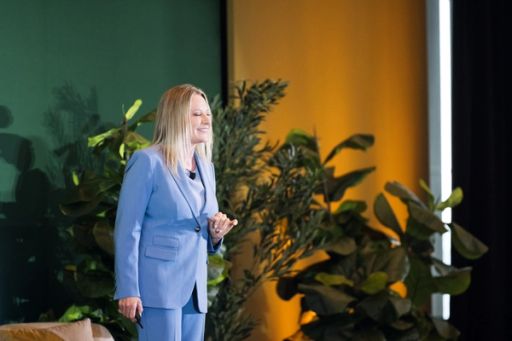
“People go, stand by the elevator, they hit the button, the elevator's not coming, what do they do? Hit it again, and then again and again. You ask anybody with half a brain, is this going to bring the elevator any faster? They’re going to tell you no.
“Why does our mind cause us to do things that don't make any sense? Over and over and over again and then with increased intensity and frustration, just to get the same result. 94% of the people in the world stand there by the elevator button of their business, of their life, of their relationships, of how they prioritize themselves, of their health, and money, and careers and make the same choices over and over again without even realizing.”
— Dr. Michelle Rozen, Founder and CEO, The Dr. Rozen Institute for Enterprise Excellence
Define Success as Follow-Through
“To me, success is when you said you're going to do the thing and you actually do the thing. I don't care what the thing is. It can be super small. You said you're going to drink more water. Are you drinking more water? You said you're going to put the phone away when your kid talks to you. Are you actually doing that? That changes lives. And over that, you have control.”
— Dr. Rozen
Focus on Impact, Not Acclaim
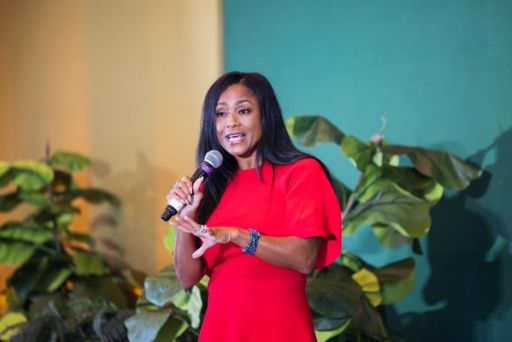
“When I stood on top of the podium with 40,000 people cheering and chanting ‘Go USA’ with my hand over my heart… and I was singing the national anthem, I thought that was success. That is the world's definition of success. But I remember standing up there and feeling incomplete. I am appreciative of that opportunity. I understand that it allowed me to open many other doors in my professional career. However, that opportunity was not about impact and fulfillment for me. That was not my definition of success.”
— Dominique Dawes, Three-Time Olympian, Olympic Gold Medalist, Founder, Dominique Dawes Academy
Don’t Make Menopause a Disease
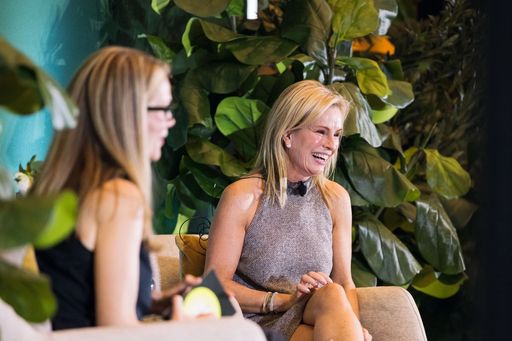
“We don’t want to make women feel like they're like ticking time bombs to this condition or state… I don't believe that women are that passive or fragile, that you know we're just going to decompensate because we hit a certain age or get to a certain stage. That is not to say that these symptoms cannot be debilitating, and annoying, and severe... Both can be true at the same time, but I actually think that a lot of the menopause narrative does a disservice to women inadvertently.”
— Dr. Jennifer Ashton, Founder, Ajenda, Former ABC News Chief Medical Correspondent
Treat Midlife as Time to Put Yourself First
“The human body is such a miraculous machine. You could be 70 years old, you could be 80 years old and start doing something that you've never done before and feel a way you've never felt before.
This time of my life, I'm finally in some ways putting myself first. I think that's the privilege and honor that comes with reaching the stage of menopause. It's a privilege to go through menopause, because the alternative is you're dead. Let's face it, right? So let's celebrate that privilege and recognize the fact that, when you get to that stage, you've earned the time... We've given it to our kids, to our pets, to our bosses, to our partners. Now it's about us. That starts with our health, mental and physical, and in terms of our professions, the sky’s the limit.”
— Dr. Ashton