
Updating the Leadership Playbook
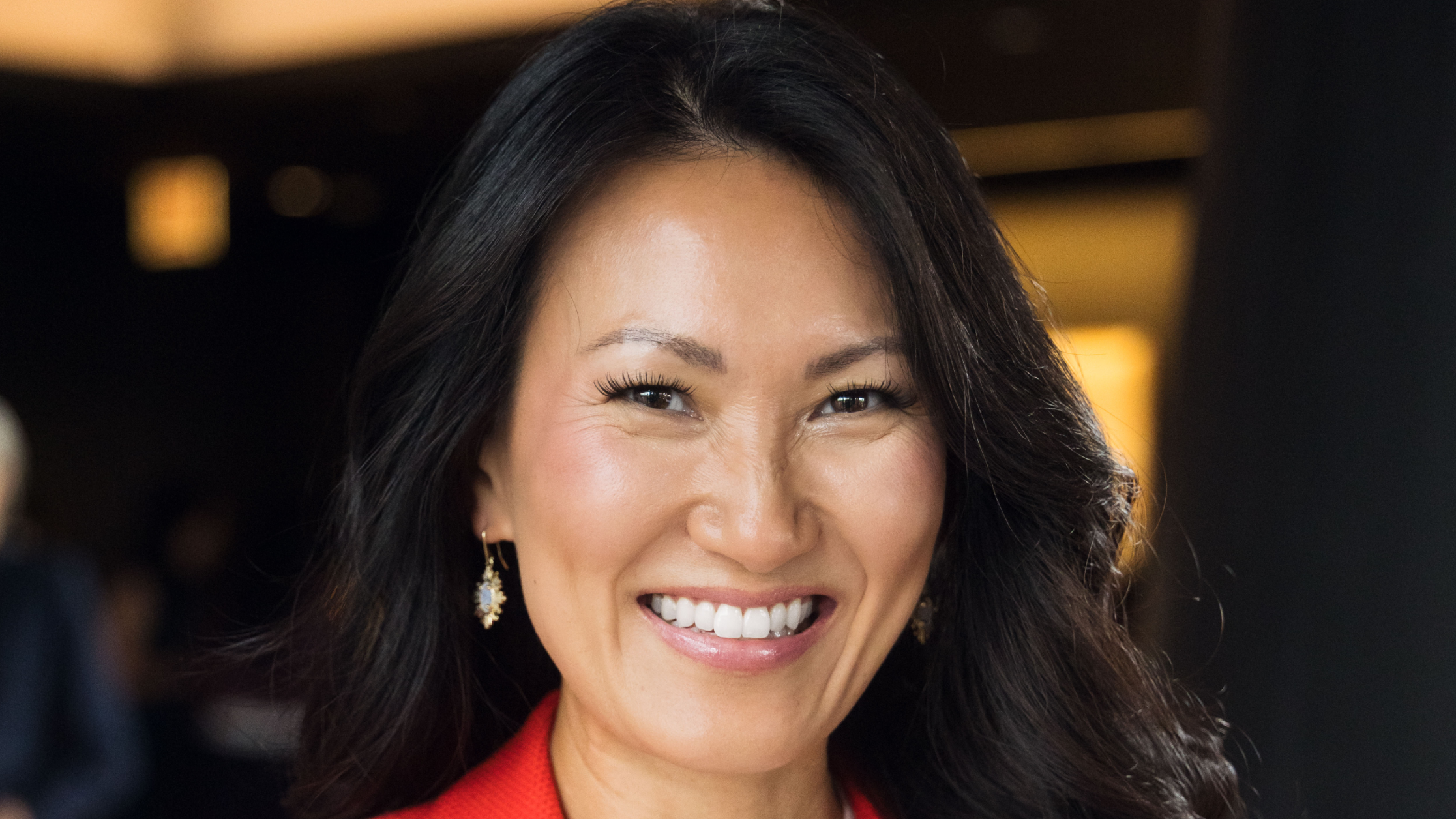
Alloy Health prescribing physician Dr. Taylor Hahn explains how women in perimenopause and menopause can use weight-loss medication while protecting their muscle, bones, and long-term health.
When we hosted an “ask us anything” session on midlife health with our partners at Alloy Health, one topic steered the conversation: GLP-1s.
It’s no surprise. Women in midlife are often navigating the height of their careers along with hormone-fueled shifts to their sleep, energy, and metabolism that can affect their on-the-job performance.
Chief Members wanted to know about the potential interactions between weight-loss medications and hormone therapy, where exercise comes into the equation, and what’s behind the weight changes they experience even when they’re doing everything right.
With so much competing information out there, it can be difficult to find clear, trustworthy answers. So, we turned to an expert.
In time for National Menopause Awareness Month, Dr. Taylor Hahn — an Obesity Medicine Specialist, a prescribing physician at Alloy Health, and a featured speaker at ChiefX Chicago — shared what she’s seeing among her own patients navigating weight loss journeys in midlife. Here are her insights for how women can work with their doctors to optimize not just for short-term goals but long-term health.
What kind of questions are you hearing from women in midlife who are curious about GLP-1s or other weight loss medications?
Probably the most common questions I hear from women in midlife about GLP-1s and other weight loss medications are:
These are all excellent and very valid questions. But what I also want women to be asking is:
I want to emphasize to women that weight changes in midlife are complex and rarely just about willpower. Hormonal fluctuations, stress, changes in appetite, insulin sensitivity, body composition, and worsening sleep can all play a role. This means that treatment should address these and not be solely focused on the number on the scale.
For women who are juggling demanding schedules at work and at home, what is your advice for managing potential GLP-1 side effects like nausea or fatigue that could impact their leadership performance?
Be proactive and consistent, especially as you are first starting treatment. That means not skipping a dose when it inconveniently falls on a vacation or social event, or starting with higher doses in hopes of losing faster. Nausea and fatigue can be minimized with gradual dose escalation and proactively treating them within the first 2–3 days of a new dose. I also encourage women to consider the timing of dose increases around major work commitments when possible.
One of the biggest adjustments I like to emphasize, especially when the usual hunger and thirst cues are dulled, is reframing food as fuel. Planning ahead with smaller but more frequent meals that emphasize lean protein, scheduling water intake into your day, and avoiding larger, high-fat, or high-sugar meals are often effective in this way. When needed, make sure to have additional treatment available for some of the most common side effects, like nausea and other GI-related issues. And finally, remembering that this is your own personal body health journey, so what works for one person’s schedule or demands may not work well for you.
What do women in perimenopause or menopause need to consider when it comes to combining weight loss medications with hormone replacement therapy?
Weight-loss medications and menopausal hormone therapy can be complementary treatments, but they serve different purposes. Hormone therapy is used primarily to treat menopause symptoms and prevent progression of bone density loss, while GLP-1 medications may help manage obesity and body composition and improve metabolic health when clinically appropriate. One is not a substitute for the other, and hormone therapy should not be prescribed specifically as a guaranteed weight-loss treatment.
Women should work with a doctor who understands both menopause and metabolic health to individualize treatment based on their symptoms, medical history, cardiovascular risk factors, and long-term goals. We also need to consider nutrition, muscle and bone preservation, and potential medication interactions. For example, GLP-1 medications can delay gastric emptying, and some may affect the reliability of oral contraceptives during initiation or dose escalation.
That’s not to say it’s too complicated. Reassuringly, we have good data to support use of hormone replacement therapy and GLP-1s and their potential synergistic effects on metabolism in menopause. But treatment deserves thoughtful management from a doctor who can individualize treatment to your specific needs.
How should we look at exercise during perimenopause and menopause, especially while using GLP-1s?
My motto for exercise in midlife, and really any time, is “strive for strong, not skinny.” The general mentality that many of us carry is that exercise is for losing weight or slimming down. Exercise at any age, but especially through perimenopause and menopause, should be intentional, with the goal of preserving muscle mass, prioritizing weight-bearing activity, resistance training to keep your bones healthy and strong, and focusing on the quality of your movement and mobility. As anyone who has tried to increase muscle mass in midlife will tell you, it can be difficult! Throw in a GLP-1 or other medication that modifies your hunger and thirst cues, and your drive for the nutritional support you need to fuel muscle and metabolism goes out the window, too.
Shifting focus from hours of cardio and how many calories you can burn to meeting your body where it is in this particular season creates resilience and consistency that is needed in this phase of life. That may mean adjusting intensity, preserving adequate time for recovery, particularly when appetite may be decreased on a GLP-1, and listening to cues your body sends when it comes to sleep, energy levels, and symptoms or side effects from a GLP-1 or other medication.
Muscle and bone loss are concerns with rapid weight loss, and women in menopause are already losing both. How would you suggest a patient protect themselves against these adverse effects?
This is one of my biggest concerns when treating women in midlife with weight-loss medications. Menopause already accelerates bone loss. The goal should never be simply to see the number on the scale go down. We need to protect the tissue that keeps women strong, mobile, and metabolically healthy. And please avoid those extremely restrictive diets, since they’re not serving you in this phase. Adequate and healthy nutritional intake, including appropriate protein and caloric intake, optimizing calcium and vitamin D, and completing bone density screening when indicated are all things outside the gym or fitness class that play a huge role in muscle and bone health.
Let’s also have some real talk: Walking, while great for general movement day-to-day or recovery, should mostly be the side act, not the main event. Progressive resistance training is key. This doesn’t mean you have to purchase an expensive gym membership or buy an entire armamentarium of lifting equipment that may sit gathering dust after a couple of weeks. A small space, your own body weight, and the resolve to take one step, one squat, one wall pushup at a time is the piece we often overlook because it’s not as glamorous. But the small, seemingly inconsequential changes you make in showing up for yourself, the habits you form that then motivate you even when life feels heavy (no pun intended), is the most glamorous thing you can do for yourself and your health.
What are the most important factors for women and their doctors to track in the long term when it comes to hormonal shifts and GLP-1s?
In this day and age of making just about everything trackable, it can get completely overwhelming. For women in perimenopause and menopause using GLP-1 medications, I like to track metabolic health, including blood pressure, glucose, and cholesterol, alongside body composition, muscle strength, nutritional intake, and bone health. We should also monitor medication tolerance, hydration, gastrointestinal symptoms, and whether the treatment remains appropriate as a woman's health and goals evolve.
Hormonal shifts matter significantly. Changes in sleep, mood, energy, menstrual patterns, and menopause symptoms can influence overall wellbeing and should be addressed rather than automatically attributed to aging or weight. Depending on a woman's history and symptoms, hormone therapy may be worth discussing separately from her weight management plan. The real measure of long-term success is whether treatment improves metabolic health and quality of life while preserving muscle, supporting bone health, and helping women maintain strength and function far beyond perimenopause.
Still have questions about GLP-1s and weight care in midlife? Alloy has answers, experts, and solutions.
Get connected with a menopause-trained physician within hours for personalized weight care, including GLP-1s and hormone therapy. It’s 100% online care, complete with unlimited doctor messaging. Receive 20% off your first purchase with code CHIEF20. Get started at myalloy.com.
Updating the Leadership Playbook