Power Moves
Beyond the Cubicle: Where Real Sponsorship Happens
Corporate stair-climbing is out. The most powerful executive advocacy is built across unexpected networks, that LinkedIn post, and human trust — especially for women pursuing multihyphenate paths.
·7 min read
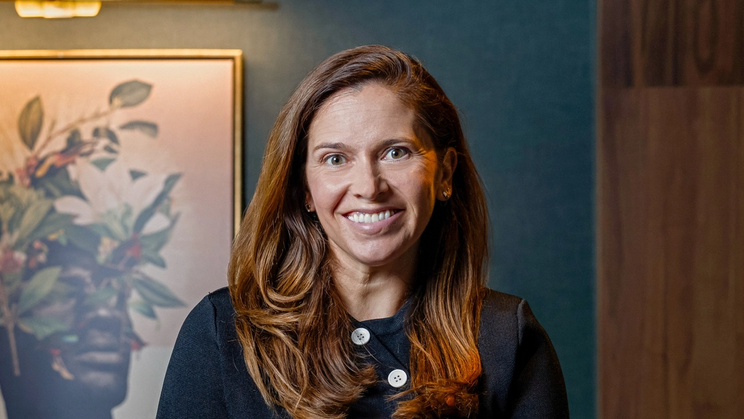
Jessica Martinez serves as the EVP of People & Organizational Effectiveness at Chief partner Industrious, where she shapes the overall people strategy to align with business goals. She also founded Tomorrow's Office, where she writes and speaks on the future of work, leadership, and building workplaces where people can do their best work and live their best lives.
When I founded Tomorrow’s Office, my very first consulting client, Mike was my husband’s friend from college. In desperate need of help on culture transformation strategy, Mike called Glen, another college friend (and one of our groomsmen). He responded, “You should call Jess.”
My second client? Introduced to me by a childhood friend I hadn’t spoken to in over 20 years.
My third client was a college friend who had been following my LinkedIn posts about creating great workplaces for months.
Some clients were referred by former executive assistants to leaders I had served under. Others were direct peers from teams I worked on a decade ago.
None of these career-moving moments happened on the rungs of a traditional corporate ladder or from within a formal HR-mandated mentorship program. They happened because sponsorship has never been a single, linear path inside a single building, but it has always been about shared identity and high trust.
Redefining Proximity
Like mentorship, we tend to assume sponsorship requires strict corporate alignment. Senior partners sponsor associate lawyers. CFOs sponsor high-performing analysts. Historically, the single-employer office was designed to force that kind of proximity — and for good reason. Studies show that without proximity, high performance alone is rarely enough to secure active advocacy behind closed doors. That’s especially true for women leaders who are underrepresented in executive spaces to begin with. Trust is built in visible, real-time moments.
But here’s the rub: Those traditional environments mostly brought you close to people who looked like you, had resumes like you, and were competing for the exact same internal promotions as you.
Proximity is critical to sponsorship, but we’ve severely limited ourselves by thinking it only applies to the boss two doors down or the colleague at the next desk.
The most powerful proximity is closeness to people who actually know your character, relate to your narrative, and understand your value.
Flexible work models and digital platforms have redefined who you can be “close” to and the length of your reach. The evolution of the workplace has traded the singular corporate tower for virtual boardrooms, distributed teams, and flexible coworking lounges. On any given Tuesday morning at Industrious, you might share coffee in the members’ lounge with a therapist, a comedy producer, and a beauty founder before your first call.
The ecosystem of who can advocate for you, hire you, or open a door is now wide open. In today’s working world, proximity is no longer confined to your access floor. It’s defined by how closely connected you remain to the people who believe in you and how you choose to show up in the world.
Trust in Every Trench
As our work environments become increasingly AI-native, technical execution in every field is becoming commoditized, making genuine human trust the only currency that actually matters.
This isn’t to say skills and experience don’t matter, but they can’t fuel sponsorship like trust. Behind closed doors, a senior leader or potential client won’t drop your name because you’re a standout leader in AI literacy. They’re reminded of your name because you’ve proven yourself through your actions or story as the AI literacy leader. They say your name because they trust your judgment, your character, and how you show up when things get chaotic. I can’t tell you how many times I’ve been at an executive table discussing talent and heard someone say, “I can’t totally vouch for their exact technical skill in this area, but I know how they operate. They're exceptional. Definitely worth a conversation.”
Real sponsorship is the natural byproduct of trust forged in every trench:
- Trading slide edits late at night right before a high-stakes pitch
- Powering through a grueling 2:00 AM cram session in the college library
- Rallying volunteers when the music club fundraiser is falling apart
- Washing the dishes at your friend’s house after they hosted game night so they can get to bed
- Sending a DoorDash order to your coworker because sometimes life gets heavy and being a good teammate means sending the Two Chip Chocolate Chip Cookie from Levain Bakery (IYKYK)
Ways of working will keep shifting, but human trust doesn't age out, get automated, or lose value over distance. It’s the only investment that compounds everywhere you go.
Four Rules for Modern Sponsorship
No matter where your office is located, who you share it with (or even whether you have four walls and a chair), finding real sponsorship outside of the traditional office comes down to four non-negotiables:
Broaden your sponsor pool.
Set up meet and greets across your company, but don’t forget the community you’ve built after 5:00 PM The assistant coach on your kid’s youth soccer team. That neighbor who always reminds you to put out the trash bins. These folks know and trust you. They want you to succeed. And they can open doors to opportunities you would never have access to through your boss alone.
Build your network before you need it.
Invest in your circle when there’s nothing on the line. Like monthly reporting, networking and cultivating sponsors should become a regular part of your professional schedule. Trust is easier to establish when you’re genuinely not looking for anything but connection, and it allows you to cultivate your advocates long before you ever need a reference, a client, or an emergency pivot. Sponsorship is founded in real, human relationships. If you’re only reaching out when you need something, people will notice.
Your story is the sponsor.
In a distributed world, narrative clarity closes the proximity gap. When you speak openly about your wins, your values, and the problems you love solving, people don't need to sit next to you to trust you. Their own conviction about who you are is built in the consistency with which you show up anywhere, including online. Give your network a clear, unmistakable story to tell so that when an opportunity opens up, your name is the only one they remember.
The biggest sponsors get the biggest sponsorship.
Sponsorship is a feedback loop. The fastest way to get high-level advocacy in your corner is to aggressively sponsor, elevate, and open doors for other people first. By being a great sponsor, you also get the added benefit of understanding what great sponsorship can look like.
Modern sponsorship is no longer about sitting closest to the executive boardroom. It's about how generously and authentically you show up everywhere else. While there will always be a benefit from building relationships within your working world, don’t stop there (and certainly don’t wait for a formal system to assign you an advocate). Invest in real relationships with the people in every area of your life. Tell your authentic story. Most importantly, open the door for someone else today. And when your groomsman drops your name for an out-of-left-field opportunity, opening a door you never saw coming? Walk on through.
Chief Members: Take advantage of exclusive perks from Industrious. Head to the Chief app to redeem complimentary day passes, discounts on meeting room bookings, and more.