
Advancement & Networking

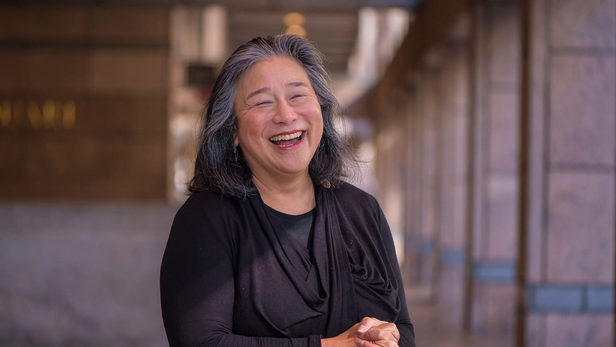
Loretta Stagnitto is a longtime Chief Guide and founder of Loretta Stagnitto Leadership Associates, specializing in executive coaching, high-performance teams, and workplace mental health.
You mentor others. You model ambition and leadership success. You lift other women up — often without even realizing it. And, if you're fortunate, women have done the same for you. But there's a meaningful difference between support that finds you organically and support you build intentionally. One depends on circumstance. The other depends on you.
Chief Members cultivate this support intentionally. It’s one of the many reasons executive women join. In essence, they seek out personal advisors, or by participating in Chief’s Core Group offering, they join a personal board of advisors (BOA). By meeting frequently with a curated group, led by a Chief Guide (like me), members support each other in building leadership acumen, advancing their careers, and lifting each other up.
Having launched eight Core Groups with nearly 80 members over the past five years, I’ve witnessed firsthand what happens when women genuinely inspire each other. When they experience the type of peer connection a personal BOA brings, one of the first things I hear is: “I’m relieved that I’m not the only one dealing with these exact challenges.” And in almost every new group kickoff, members share the same sentiment: “I mentor a lot of people, but who mentors me?”
In one of my earliest Core Groups, a member who arrived perfectly content in her current role listened to her peers share their ambitions, and something shifted. Near the end of year one, she announced she’d accepted a CMO role at a well-known, publicly traded software company. “I was so inspired by everyone that I started recognizing I wanted more.” That’s the power of a personal BOA.
Whether it’s an organized group like Core or another form of intentional professional connection, a personal BOA is one of the most effective strategies women leaders can employ to accelerate and navigate their careers — especially in times of rapid change. (And when hasn’t the past several years brought rapid change?) As natural connectors, we know this. But knowing it and taking the time to build and use a personal BOA are very different things.
I know many leaders, men and women, who have used a mentor intentionally to guide their development and navigate their careers. Here are three important reasons to consider building a personal BOA to do the same:
Effective peer advisory boards pair 8–10 executives from non-competing organizations across industries. Joining one is a quick way to get started. In several Core Groups I’ve guided, one-time strangers have become each other’s most trusted advisors organically over time. Here are tips for activating your own personal BOA and sustaining its value:
I’ve watched Chief Members rise to CEO roles, land public company and nonprofit board seats, launch successful companies after leaving corporate life, take long-overdue sabbaticals and then return to more fulfilling work, and so much more. All were inspired, challenged, and lifted by the power of their personal BOA.
I’ll close with a shoutout to a Core Group I’ve guided for nearly five years; a group that has served as a valuable personal BOA for each other through professional milestones and personal challenges. When I asked what makes their BOA work, they named five things without hesitation: chemistry, accountability, structure, shared values, and commitment.
When all five exist in your personal BOA, the impact on your career, and your life, will be immense.
Get matched with your own personal board of advisors. Learn more about Chief's Guide-led peer advisory circles for senior women leaders.
Advancement & Networking
Advancement & Networking