Health & Midlife
It’s Not Just Stress: The Menopause Signals Women Leaders Often Miss
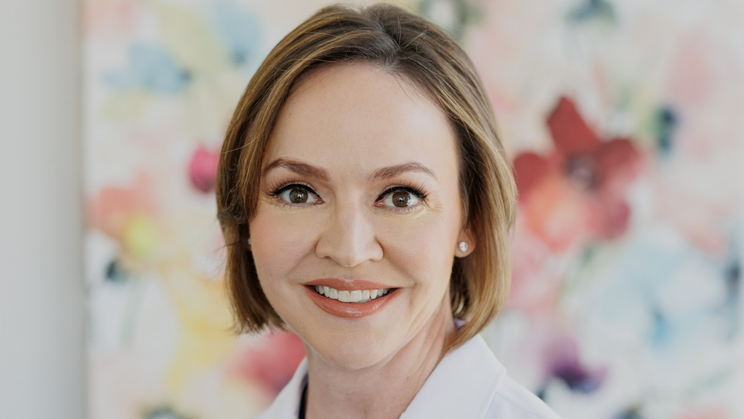
Alloy Health Medical Advisor, Dermatology, Dr. Corinne Erickson says midlife skin and hair health is a matter of vitality, not vanity.
·8 min read
While menopause has finally entered the mainstream conversation, some of its most visible symptoms have not. Thinning hair, new breakouts, and changing skin can all have a hormonal root cause, yet they’re routinely dismissed as stress, aging, or vanity. Many women, especially busy leaders who are used to putting their own health last, never mention them to a doctor at all.
Dr. Corinne Erickson, Medical Advisor, Dermatology to our partners at Alloy Health, is working to bring these changes into clinical focus, including a name: pilocutaneous syndrome of menopause, or PSM. She’s the coauthor of the first-ever description of PSM, the constellation of skin and hair changes driven by the menopause transition, which is currently under peer review.
A name, she argues, is what turns a vague complaint into something clinicians can ask about, researchers can study, and women can bring into the exam room.
Here, she explains why skin and hair have been left out of the menopause conversation for so long, what’s happening hormonally during this transition, and why she urges women, herself included, to treat these concerns as a matter of vitality, not vanity.
Many women in their 40s and 50s notice their hair thinning, their skin changing, and new breakouts appearing all around the same time. What’s actually happening hormonally here?
These changes happen together because they share a cause. Skin and hair are hormone-responsive organs, and many women don't recognize that until they experience the impact of hormone loss. Estrogen supports collagen, hydration, barrier function, oil production, and the growth phase of the hair follicle. Take 90% of a woman's estrogen away at menopause, and skin becomes thinner, drier, and more sensitive. Hairs spend less time in the growth phase, and female pattern hair loss appears and progresses.
Testosterone is playing a role as well. It, too, is declining, but at a more gradual, age-related rate. When estrogen plummets, the result is a relative androgen excess. Sex hormone binding globulin (SHBG) also drops, which leaves more free testosterone working on the skin. That imbalance is what drives the jawline breakouts, the new chin hairs, and the widening part, all while the skin gets drier and thinner.
If testosterone and estrogen sing a duet throughout a woman's reproductive years, imagine that estrogen's mic starting to glitch in perimenopause, sometimes turning off and other times becoming very loud. Then menopause hits, and estrogen goes almost completely quiet. Testosterone takes center stage. They were both always there, but now instead of a duet, testosterone is singing more of a solo. And while testosterone offers many benefits for our libido, mood, and muscle, for skin and hair it tends to cause problems.
The constellation of skin and hair changes that share the common drivers of estrogen decline and relative androgen excess is what my coauthors, and I have named the pilocutaneous syndrome of menopause, or PSM.
Women in midlife are often told their skin and hair changes are caused by stress. How do you separate what's hormonal from what's stress-related?
“Is it stress or is it perimenopause?” is the chicken-or-egg question for midlife women, because perimenopause is a stressor in its own right. Night sweats wreck sleep, poor sleep raises cortisol, and cortisol exacerbates skin dryness, irritation, and acne. Anxiety often increases in perimenopause due to both hormone shifts and demanding life circumstances. So when women ask whether it's stress or hormones, my answer is usually “both.”
I look at the company the skin and hair changes keep, searching for patterns tied to estrogen decline and relative androgen excess. This is where the PSM framework can be very helpful. I look beyond the skin and ask about changing periods, hot flashes, night sweats, issues with libido or sexual discomfort, brain fog, and sleep disturbances. I check labs when they help, including thyroid, iron and ferritin, and androgens when the picture suggests PMOS (the proposed new name for PCOS) or another driver. It's important to acknowledge the role stress can play in all of these concerns, but saying it's all “just stress” feels more like a dismissal than a diagnosis.
Why do you think PSM symptoms have been left out of the broader menopause conversation until now?
There are three reasons: silence, silos, and stigma.
Silence came first. After the Women’s Health Initiative findings in 2002, hormone conversations went quiet for two decades. Across specialties, menopause all but disappeared from training curricula. Research on hormone therapy and skin health slowed to a trickle.
Then, silos. Conventional wisdom tells us that gynecologists own menopause and dermatologists own skin. Very few of us were trained to connect the two. Most standard menopause symptom scales barely mention skin or hair, even though studies have shown them to be common and disruptive components of the menopause transition.
And last but not least, stigma. Skin and hair changes often get categorized as cosmetic, and cosmetic concerns get filed under optional. Women are told it's just aging, as if aging and hormones were unrelated. When a woman's concern is called vanity, her symptom gets dismissed and nobody studies it. PSM gives these changes the clinical frame they should have had all along.
What inspired your exploration in this area personally?
I turned 46 this year, and my body gifted me bladder leakage, vaginal dryness, and hair loss. But instead of circling the drain with my shedding hair and putting incontinence pads on auto-renew, I'm changing the skin and hair narrative for midlife women. I read the wrinkles on my face as messages about estrogen decline and asked for a DEXA scan, a test usually not ordered until age 65. I now know I'm osteopenic, a diagnosis that is silent until broken bones make it scream. I'm dedicated to teaching women to read skin and hair changes as vital signs, understand what they are saying, and act early, before UTIs wear us down and hip fractures break us.
I also care about recognizing the woman I see in the mirror, and I accept that my reflection will change with age and time. My skin and hair health is a matter of vitality, not vanity. I’ve long protected them from extrinsic aging accelerators like sun damage. Now I am protecting them from one of the key intrinsic aging forces: estrogen decline.
Why does it matter whether or not a set of symptoms has a medical name?
Because what isn't named isn't noticed. And what isn't noticed isn't treated, studied, or covered.
We've seen this before. In 2014, “vulvovaginal atrophy” was renamed genitourinary syndrome of menopause, or GSM. The new name was clearer, less stigmatizing, and easier for clinicians to recognize and talk about. A name turns a vague complaint into a clinical entity. It gives patients words to bring into the exam room, gives researchers something to measure, and gives clinicians a reason to ask.
A name also tells a woman she isn't imagining it and that it isn't just cosmetic. That matters more than people think.
Between work and family, women leaders often put their own health last. How do you encourage patients to treat skin and hair concerns as legitimate health priorities rather than indulgences?
I tell them their skin and hair are vital signs. They are often the first visible signal that something has changed inside the body. Hair loss can point to low iron, a thyroid problem, or a hormonal shift. Skin changes can reflect metabolic health, inflammation, and estrogen status. Ignoring them can mean missing critical data.
The impact is real, too, as studies show hair loss can affect quality of life as much as severe psoriasis.
Women leaders also face a double bind. They're judged for caring about their appearance and judged for not caring enough. Men who get cosmetic treatments are often seen as investing in their careers. Women are told they're being vain. I'd like to retire that double standard. Caring for your skin isn't an indulgence. It's maintenance on the organ that faces the world for you every day.
What symptoms do women in midlife tend not to mention to a dermatologist, but should?
- Vulvar itching, dryness, or discomfort. It's skin, so dermatologists treat it. But many women never mention it and few dermatologists ever ask.
- Itching or crawling sensations with no rash. This can be hormonal and very real.
- A widening part or a thinner ponytail. Women often wait years before speaking up. Earlier treatment works better.
- New chin or upper lip hair. It's common, treatable, and sometimes a clue to an androgen imbalance or PMOS.
- Thinning eyebrows and brittle nails. These are small details that tell a bigger story.
- New flushing, or a sudden intolerance to wine. These can be early perimenopause signs and can overlap with rosacea.
- Wounds that heal slowly or skin that bruises easily. Thinner skin is more fragile skin.
All of the messages our skin and hair send us are worth reading. And if it changed in midlife, it's worth mentioning. Together, we can decide which to address and how.
Dr. Corinne Erickson serves as Medical Advisor, Dermatology, to Alloy Health, an online platform that provides comprehensive care for midlife health, skin and hair included. Connect with a menopause-expert doctor today, and use code CHIEF20 for 20% off your first order.
Related Articles