Updating the Leadership Playbook
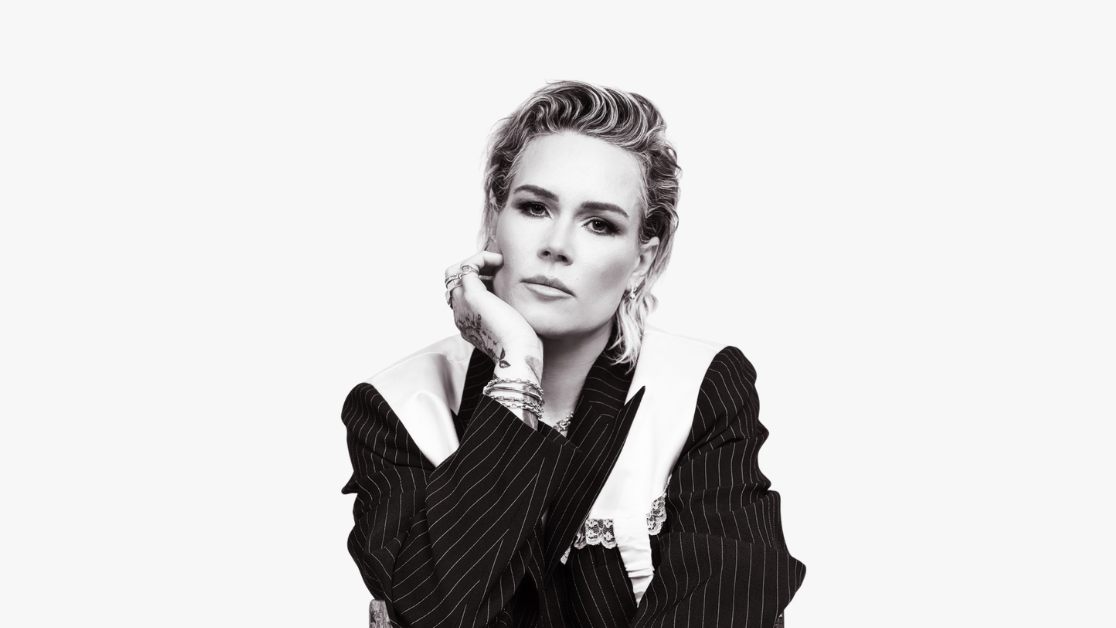
Members: Join us on Wednesday, June 17 for our conversation with Ashlyn Harris in honor of Pride Month. RSVP in the Chief app.
Few athletes reach the pinnacle of their sport and then start over just as fearlessly off the field.
Ashlyn Harris did.
The two-time FIFA Women's World Cup Champion and Olympic gold medalist is one of the most celebrated goalkeepers in the history of the U.S. Women’s National Team.
As an openly queer woman playing during a period when visibility in professional sports carried real risk, she used her platform to become a vocal advocate for LGBTQIA+ rights, gender equity, and mental health. Harris was a lead plaintiff in the landmark U.S. Soccer equal pay lawsuit, which led to a historic settlement and a commitment to equal compensation for players on the men’s and women’s teams. And she’s continued that advocacy since retiring from soccer in 2022.
Since then, Harris has built a career grounded in authentic storytelling. She’s stepped into brand and business leadership as Global Creative Director of Gotham FC. On her podcast, Wide Open, she and guests from across the worlds of sports, entertainment, and culture open up about their struggles and triumphs. And she’s now the focus of a new documentary, Gamechangers: The Ashlyn Harris Story, which launched June 8 on Roku.
We asked Harris, Chief's Pride Month speaker about how she’s navigated this transition, what it takes to lead as your full self, and what becomes possible when you do. Here’s her advice.
You retired from U.S. Soccer at the peak of your athletic career. How did you separate Ashlyn the athlete from Ashlyn the person during that transition?
For most of my life, I was known as a soccer player. Retirement forced me to ask a bigger question: Who am I when the game is gone? What I discovered is that soccer was something I did, not who I was. The real work began when I stopped performing and started becoming.
Since then, you've built a portfolio career, moving into brand strategy, media, board service, and venture investing. Is there a throughline or guiding principle that’s informed how you’ve built that portfolio?I've never chased titles, I’ve always chased purpose. Every opportunity has to align with my values, challenge me to grow, or help move culture forward. The older I get, the more I realize that every "yes" is also a hundred "nos," so I protect my peace, time, and energy fiercely.
On your podcast, Wide Open, you and your guests talk a lot about the power of vulnerability. Now, as the focus of the new documentary Gamechangers, you’ve opened up your life to the world on a whole new level. How has that experience shifted your perspective on that power?
Gamechangers taught me that vulnerability isn't just healing for the person telling the story. It's permission for the people hearing it. I spent years thinking strength meant holding it all together. What I've learned is that strength is actually being willing to let people see you as you are. The more honest I've been about my failures, fears, and growth, the more meaningful the connection has become. People don't relate to perfection. They relate to truth.
Is there a piece of advice you could offer other women leaders as they navigate their own relationship with vulnerability?
Don't wait until you've figured everything out to tell your story. Some of the most powerful stories are told while you're still becoming and living it. We live in a culture that rewards polish, but people are craving authenticity. Lead with the truth, not the highlight reel. I had to learn this the hard way. You never know who needs to hear your story to feel less alone or more brave in their own life. The things you're most afraid to say are often the things someone else needs most to hear.
You became a lead plaintiff in the USWNT’s equal play lawsuit while you were still a player. What's your advice for leaders who want to drive equity in their organizations but face resistance around them?
If you're trying to create meaningful change, resistance is part of the job. Don't mistake discomfort for a sign you're on the wrong path. Some of the most important battles I've fought came with criticism, uncertainty, and risk. Stay anchored in your values and remember that progress rarely happens without someone being willing to go first.
At Chief, we like to quote the saying, “If you want to go fast, go alone. But if you want to go far, go together.” What role has community played in your career journey?
Community has been everything. Every meaningful chapter of my life was shaped by people who challenged me, supported me, and believed in me when I couldn't see it for myself. We love celebrating individual success, but the truth is no one gets anywhere alone. The older I get, the more I realize that relationships — not achievements — are the real legacy.
Updating the Leadership Playbook
Updating the Leadership Playbook